Eden Vets April Newsletter
New Service – Laparoscopy Surgery (Keyhole Surgery)
We are excited to introduce laparoscopic spay procedures (ovariectomy) to our surgical services. This minimally invasive approach represents a significant advancement in pet care, allowing us to offer a safer, more comfortable alternative to traditional spay surgery.
What is a Laparoscopic Spay?
A laparoscopic spay is a “keyhole” procedure in which the ovaries are removed using specialised instruments and a camera, inserted through one to three very small incisions. This technique avoids the need for a larger abdominal incision required in conventional surgery.
Why Choose Laparoscopic Spays for Your Pet?
Pros
- Faster Recovery: Most pets return to their normal routines much sooner than with traditional spays.
- Smaller Incisions: Minimal scarring and improved healing.
- Lower Risk of Complications: Reduced tissue handling decreases the risk of infection and surgical trauma
Cons
- Eligibility: Dogs must be >5kg to be eligible
- Price: Laparoscopic spays are priced higher than conventional spays due to the advanced equipment and specialised training required.
Ideal for Active Pets
Laparoscopic spays are particularly beneficial for active pets, where a quicker return to normal activity is important.
Expertise You Can Trust
Our team has completed dedicated training in laparoscopic techniques and is equipped with advanced surgical technology to ensure precision and safety in every procedure.
Ask Us About This New Service
If you’d like to learn more about laparoscopic spays or discuss whether this option is right for your pet, please don’t hesitate to get in touch with our team.
Delivering minimally invasive care—because your pet deserves the very best.
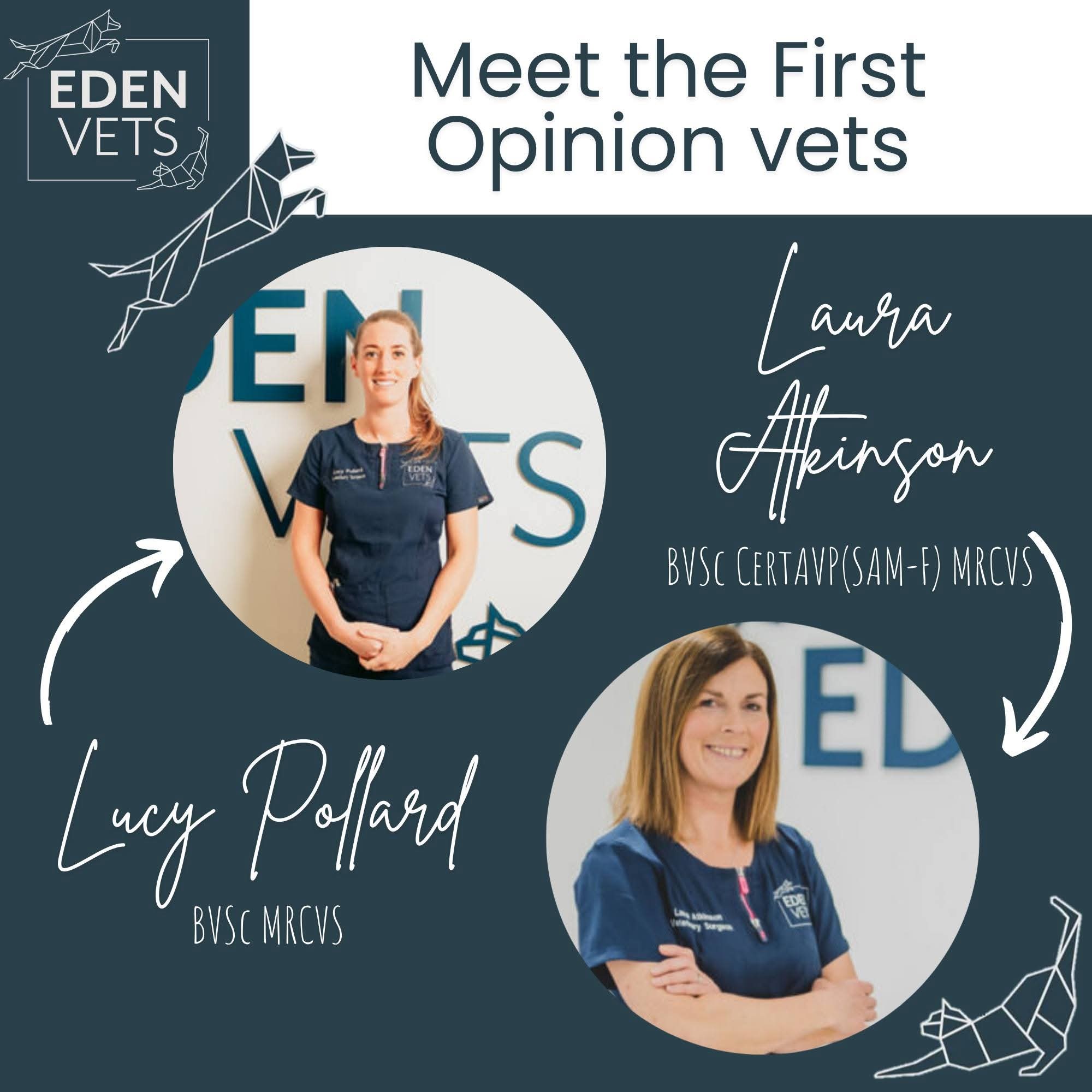
Meet a member of the Eden Vets team:
Lucy and Laura Our First Opinions Vets
Lucy Pollard
Lucy graduated from the University of Bristol in 2014 and spent her first three years post-graduation in mixed practice in rural Wales. Following a long-standing equestrian passion, she completed the BHS(AI) qualification.
Lucy then returned to focus on small animal practice, enjoying her time within the charity sector and locuming around Cheshire and Staffordshire. Lucy has a particular interest in diagnostic imaging, dentistry, and all things feline!
She enjoys getting to know her clients and providing a personable and tailored first opinion service. Outside of work she is a self-confessed gym addict but can frequently be found on rest days binge watching ‘Friends’ with a tub of chocolate ice cream.
Laura Atkinson
Laura qualified from Liverpool vet school in 1994. Initially working in Yorkshire with some time out for overseas travel, for the last 13 years, she’s been in practice in Cheshire. She is an RCVS Advanced Practitioner in Feline Medicine and for the past three years has concentrated mainly on felines! She especially loves seeing older patients who may need extra support to live their best lives!
Outside of work, Laura enjoys spending time with her husband and three children. She loves running, playing tennis, reading and yoga as well as overseas travel when the opportunity arise. She’s the proud owner of a rather cheeky Border Terrier, Mabel, and a rescue cat called Tinkerbell.
Laura sees both our first opinion feline clients as-well as taking on referral cases.
Eden Vets highlight of the month…
Pet Proactive Insurance
At Eden Vets we partner with Pet Proactive to provide a new approach to pet insurance for dogs and cats which directly benefits Eden Vets clients.
To find out more about what Pet Proactive can offer as an Eden Registered Client
CLICK HERE>>
Charity Toy Sales
A little bit more about the amazing charity we are raising money for at the moment:
The National Foundation for Retired Service Animals is a registered charity (1200949) supporting retired dogs and horses from the police, fire & rescue, prison, national crime agency, NHS, MOD Police, and border force services by helping with medical and veterinary bills when their careers end.
What Do We Do?
When serving dogs and horses retire, the financial support they have enjoyed whilst working, including food, kennels or stables, medical and veterinary requirements, training and equipment ends.
Why Are We Needed?
Unfortunately, affordable insurance can sometimes be a challenge due to their age and training. This is obviously a worry for handlers who have their own financial obligations, and medical bills can become a concern.
Why Should We Help?
As is widely acknowledged, the relationship between a handler and their working partner is second to none, and it is unthinkable the pair may be broken up due to financial pressure. Unfortunately, this does happen, and it causes great distress for the handlers, their families, and of course the animals themselves.
Part of Our Mission
The NFRSA is there to help to ensure these wonderful animals can stay happily and healthily with the families they love, or with wonderful new owners, as the years advance. It’s the least they deserve when they’ve devoted most of their lives to keeping us, the public, safe.
Our job, quite simply, is to ‘Protect Our Protectors’.
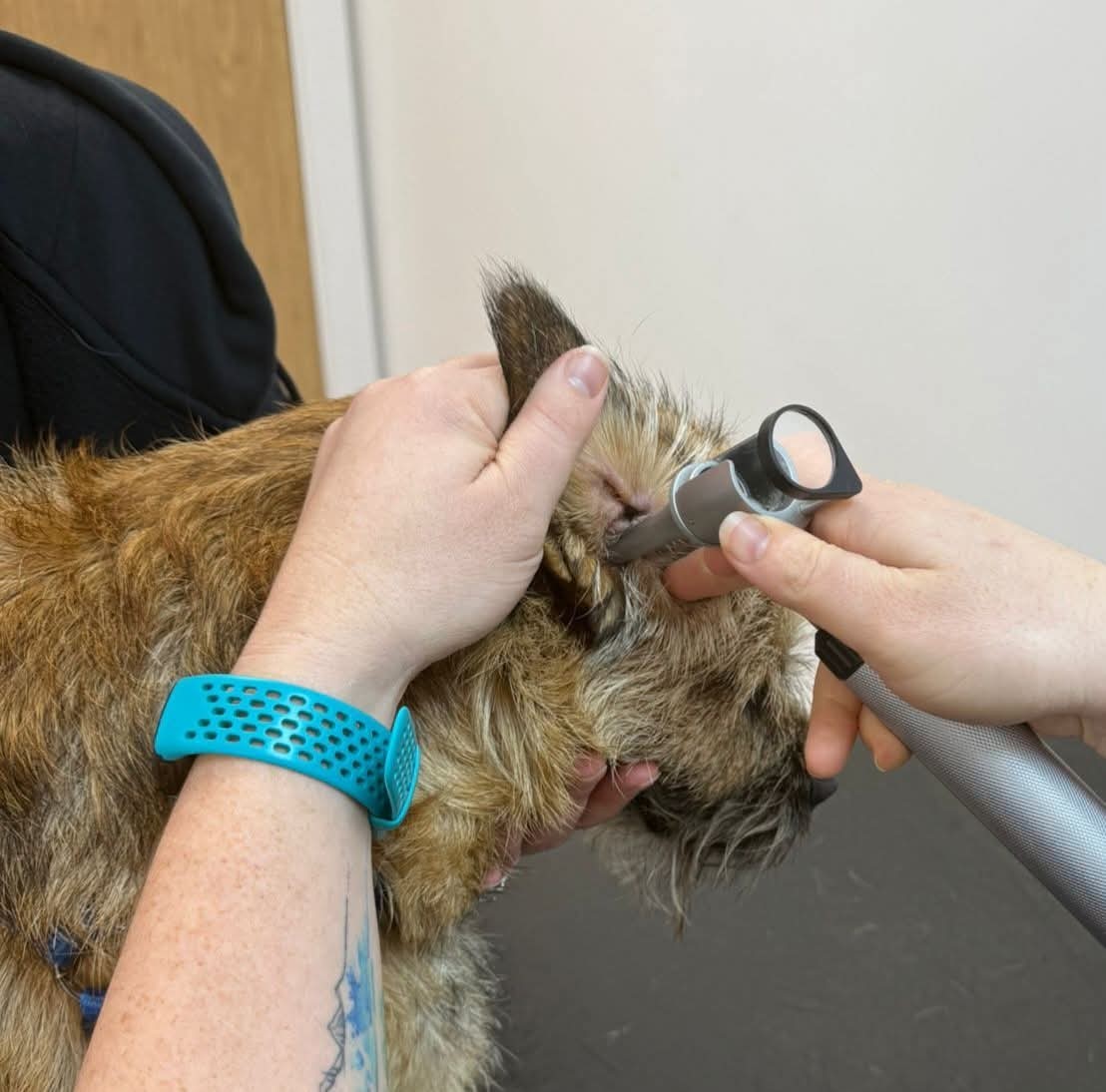
Take a peek behind the scenes at Eden Vets
Clinical Exam
As part of our clinical exam series this post talks about the normal checks we do when your pet comes to visit us. All of these are performed before vaccination or if your pet is unwell, we may do more or less depending on how recently they have been seen or what they are in for!
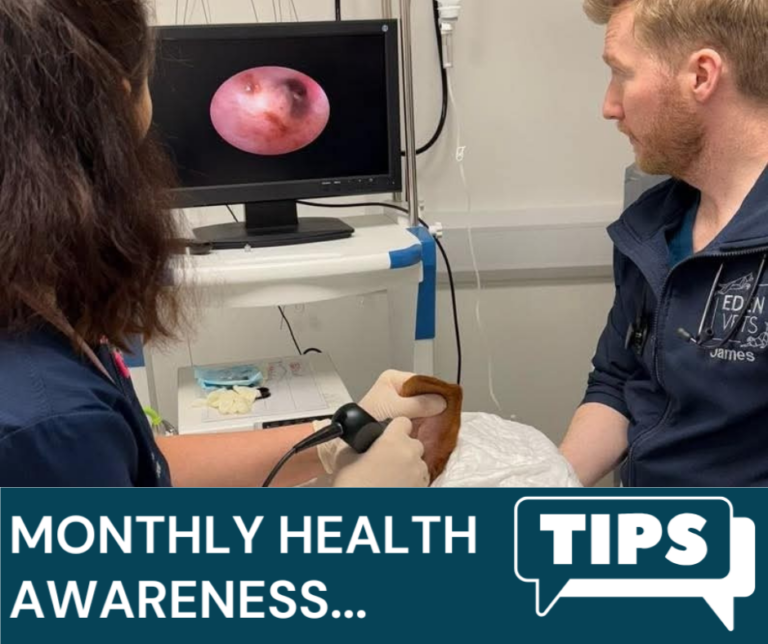
Ears
A routine examination involves lifting the ear pinnae (flaps) and looking at the top of the external ear canal, having a feel of the ear cartilage under the skin and sometimes having a quick sniff!
We are looking for redness, discharge, tenderness, a squelchy/wet ear and any yeasty or unpleasant smells. If noted, or if you brought your pet in for an ear issue, we will look down the ear canal with an otoscope. This allows examination along the external ear canal to the ear drum, looking for inflammation, discharge and foreign material like grass seeds.
A lot of ear medications are not appropriate if the ear drum is damaged, so it is important to look down before starting any new course of treatment. We can then take samples to look under the microscope to diagnose different bacterial or yeast infections, vs allergies, and treat accordingly.
Eden Vets Star Patient of the Month…
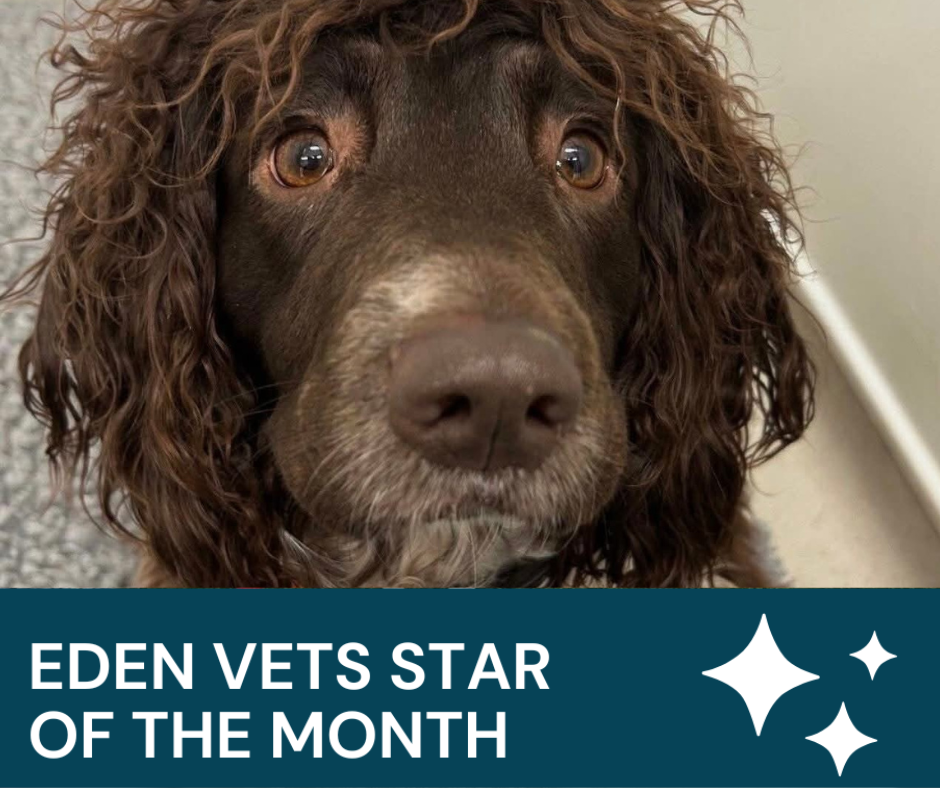
Meet Winnie, who visited Vet Eleanor after her owners noticed a wound on her right side.
As the wound was full thickness, our team wanted to carefully assess the area to ensure there was no deeper pocketing under the skin. Winnie was admitted so she could be sedated for a thorough examination and treatment.
Once sedated, the wound was carefully protected with sterile gel while the surrounding fur was clipped, helping to prevent contamination. The area was then flushed with sterile saline and checked for any hidden pockets beneath the skin.
To help the wound heal properly, local anaesthetic was used and the wound edges were carefully trimmed, creating healthy skin margins so the area could be sutured closed.
Winnie recovered well from her procedure and was able to go home the same day with pain relief and antibiotics to support her healing.
We’re very pleased to see Winnie on the road to recovery and wish her a smooth and speedy healing process!