Eden Vets May Newsletter
This Months Health Awarness is,
Anal gland emptying
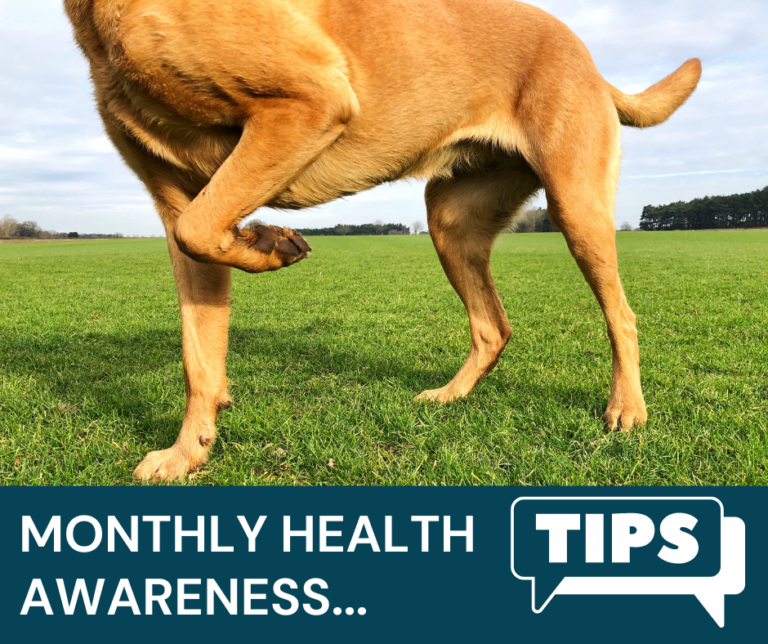
Many animals have anal glands: two small pouches that sit either side of the anus at 4 o’clock and 8 o’clock. They are emptied when a firm poo is squeezed out and contain information about the health of the animal; they are the reason dogs sniff each other’s bottoms and poos! To us, the smell is strong, often fishy and usually unpleasant. To another animal it is fascinating and helpful for communication!
Sadly, the ducts supplying the anal glands are very narrow, so are easily blocked. When blocked the glands fill up, becoming itchy and uncomfortable, and can turn into an infected abscess which bursts out of the skin to release pressure. We then treat the infection and inflammation and then must unblock the ducts to prevent a repeat infection.
Signs that the anal glands are full can be:
- Scooting
- Jumping up and looking at the back end
- Licking at the back end obsessively
- Chewing at thighs or paws
- Unable to get comfortable at rest.
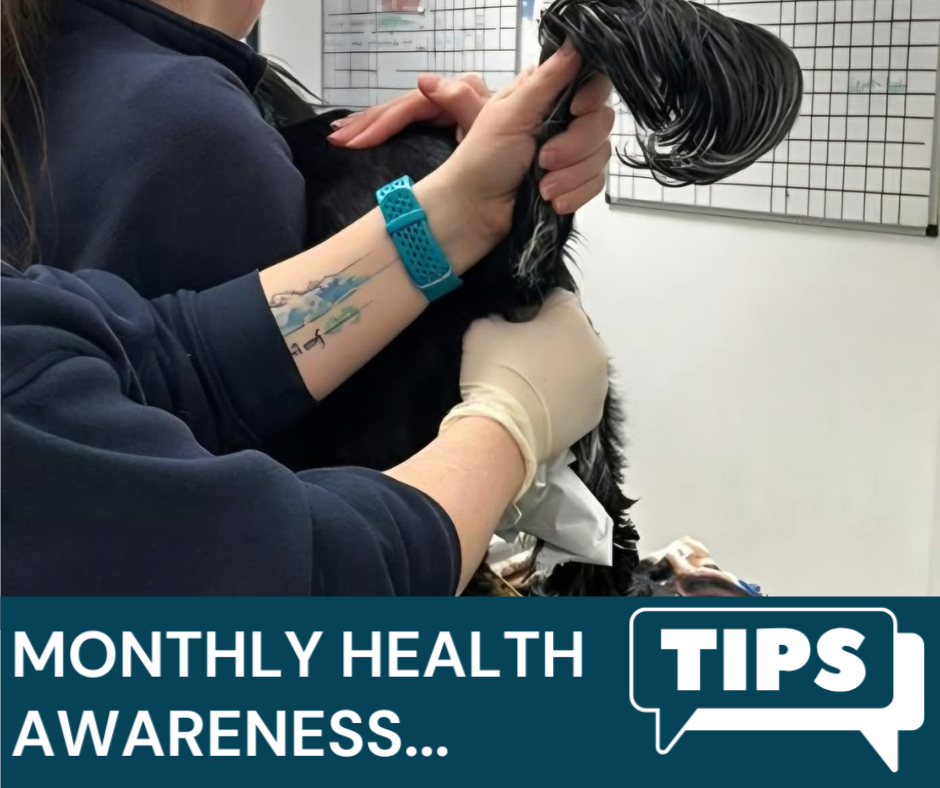
If noted, then bringing your pet to see our vets or nursing team for an anal gland empty is ideal. Most dogs are tolerant and good for anal gland expression, but it can be a messy and smelly procedure! Thankfully, anal gland obstruction is rare in cats, as they are less tolerant and wrigglier for examination!
Some patients need regular emptying; there are supplements that can help, or a surgery if it is getting too frequent or distressing.
Meet a member of the Eden Vets team:
Lucy Hughes
MA VetMB PgC SA Ophthal CertAVP MRCVS Advanced Practitioner in Veterinary Ophthalmology
Just like humans, pets can develop eye conditions and injuries that require expert care. Our ophthalmology service is dedicated to diagnosing and treating eye problems in pets ensuring your pet’s vision and overall eye health remain in good health.
From cataracts and glaucoma to eyelid and surface problems, our ophthalmologist has the expertise and tools to provide thorough treatment plans tailored to your pet’s specific needs.
Our Ophthalmologist is supported by highly trained veterinary nurses providing round the clock post-operative and follow up patient care.
After graduating in 2006, Lucy spent a couple of years in mixed practice before moving to treat small animals only and soon developing a passion for ophthalmology. She has studied extensively in this area and holds several post-graduate qualifications including the BSAVA Certificate in Small Animal Ophthalmology, gaining RCVS Advanced Practitioner status in veterinary ophthalmology in 2021. She enjoys getting to know her patients and their owners and relishes the challenge of a tricky eye case.
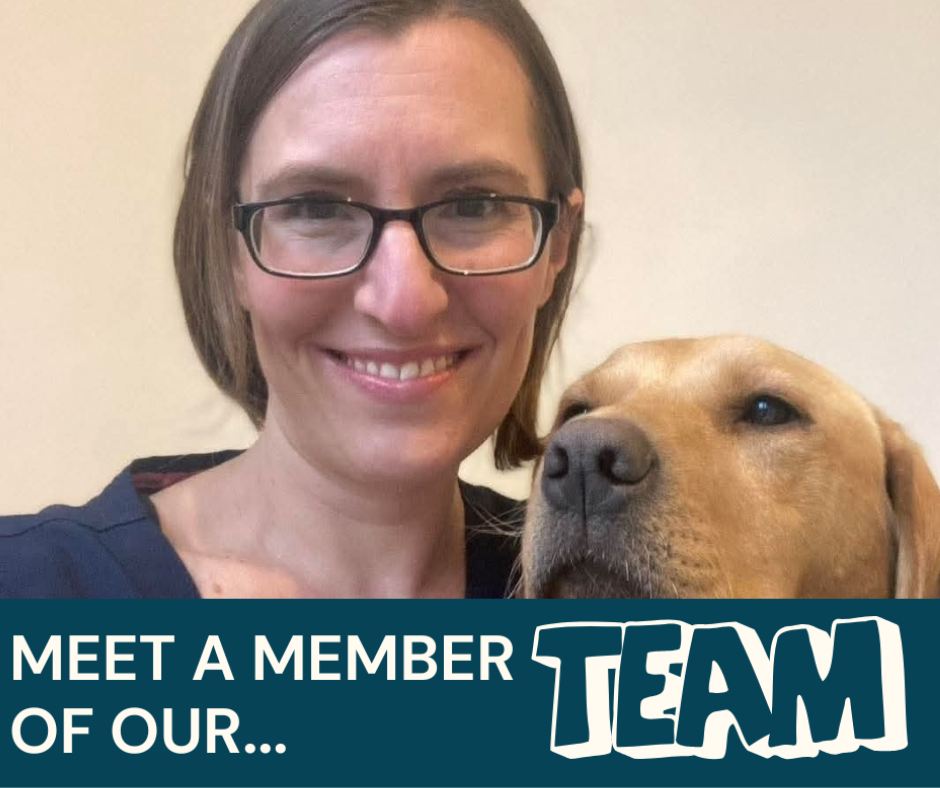
Lucy also enjoys teaching and when not in clinics, can be found at Nottingham Veterinary School, sharing her love for ophthalmology with undergraduate veterinary students and delivering CPD courses for qualified vets’.
If you wish to be internally referred to Lucy please speak to a member of our team for more information.
Eden Vets highlight of the month…
Vet Nurse Awareness Month
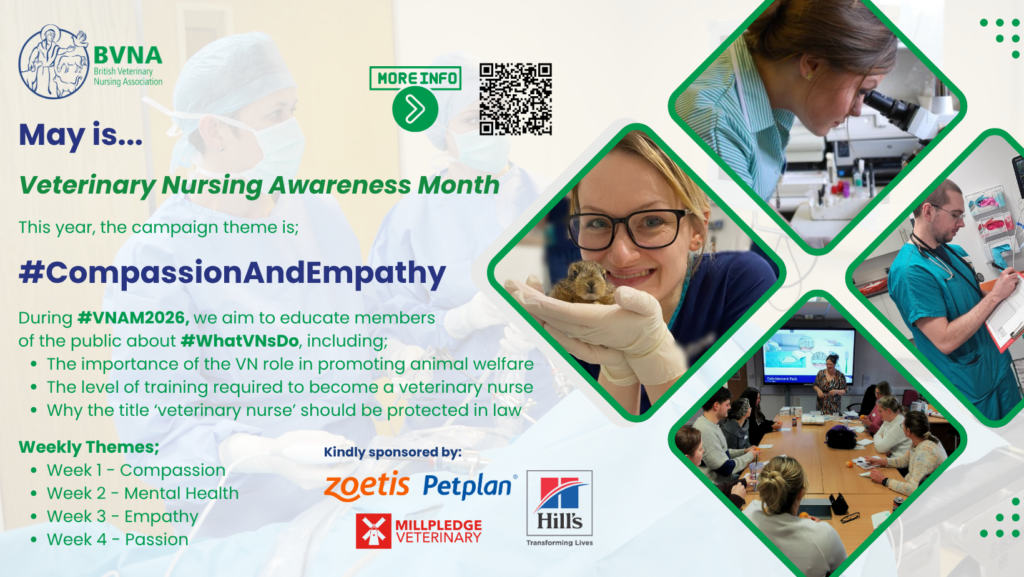
Each May, British Veterinary Nursing Association spearheads the annual Veterinary Nursing Awareness Month (VNAM) campaign. Having now run for over 20 years, the campaign celebrates what it means to be a veterinary nurse, raising awareness of the significant contributions made by veterinary nurses to animal health and welfare, and that of the public too.
Veterinary nurses’ crucial work both in and out of veterinary practice often goes unseen by the public – VNAM is a vital opportunity for our veterinary colleagues to come together and put this right.
This year, the campaign theme is ‘Compassion and Empathy’. We will reflect the dedication and passion required to both train and practise as a veterinary nurse. Plus, we will highlight the compassion towards patients and people which underpins the skilled care provided by veterinary nurses every day.
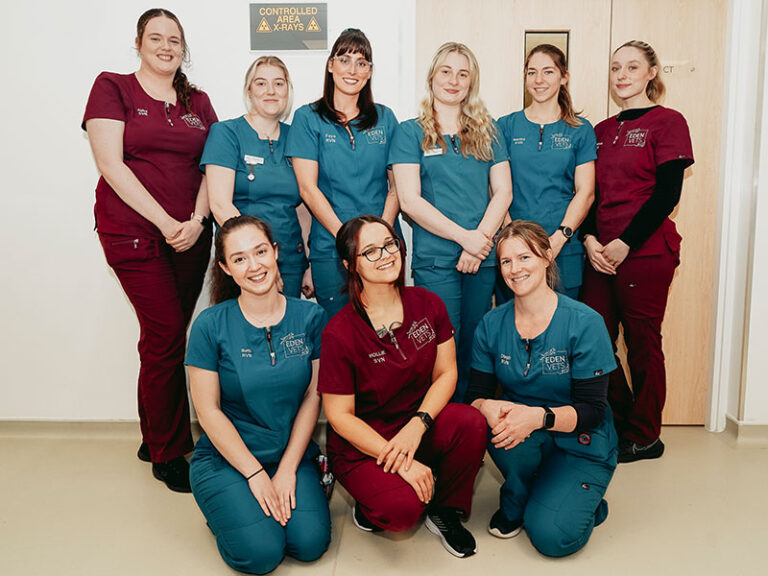
Here at Eden, we have an amazing team of Registered Nurses, Student Nurses, Veterinary Care Assistants and Kennel Assistants. We encourage further professional training and many of our nurses hold post graduate certificates in areas such as surgery, medicine and dentistry.
We also have practice nurses that can offer advice on nutrition, weight loss, arthritis and feline health checks.
Join us in celebrating our nursing team and if you have a review to leave, please click below, they would love to hear your kind words.
Take a peek behind the scenes at Eden Vets
Xray
We may recommend an X-ray for your pet:
- To investigate lameness or joint pain
- To look for bladder or kidney stones and assess the urinary tract
- To look for foreign bodies in the gastro-intestinal tract
- To investigate breathing problems- assess the chest for fluid or air around the lungs and heart, identify heart enlargement or diagnose disease within the lungs.
- After trauma to assess for major body injuries
- To check placement of feeding tubes
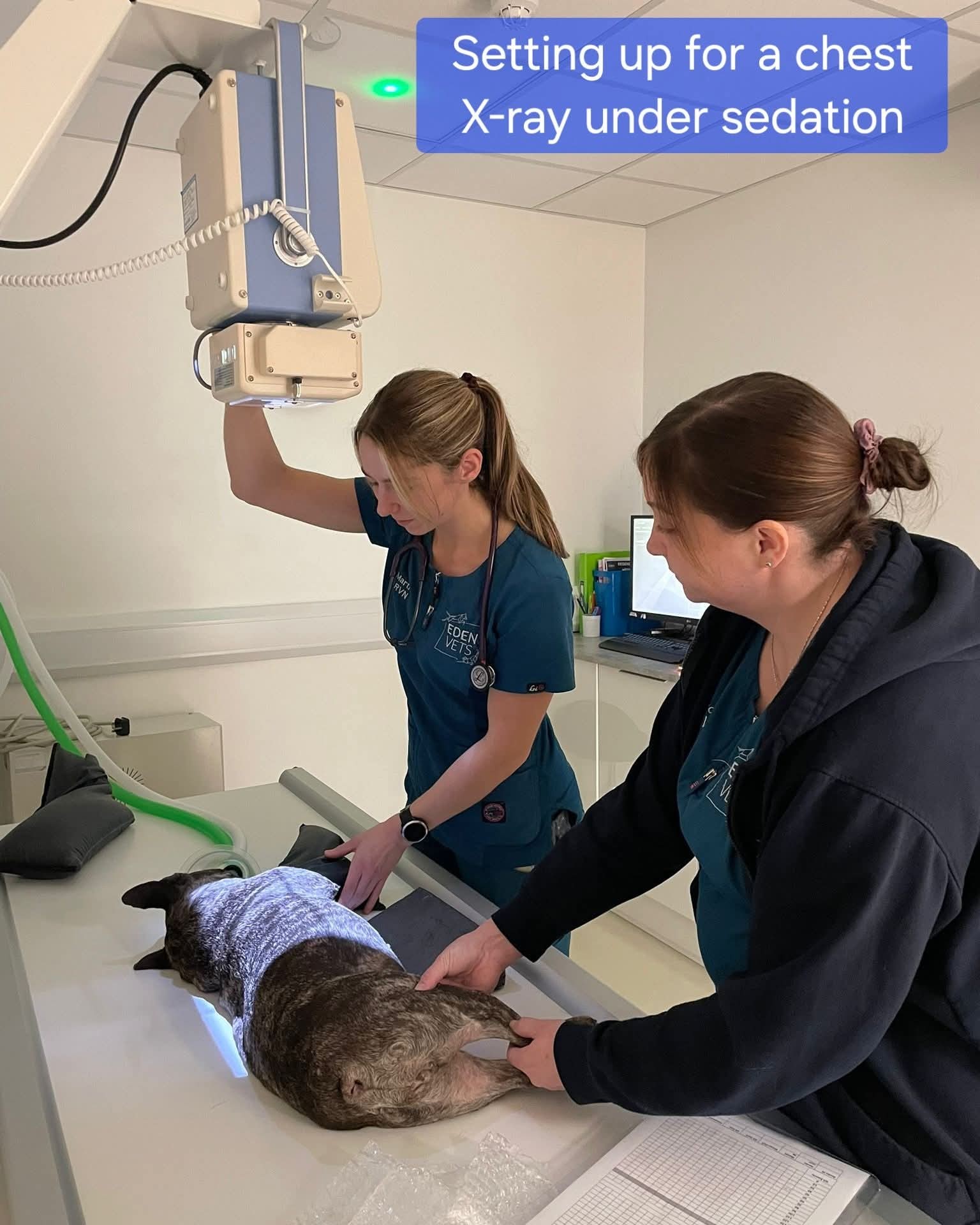
Usually these will require an anesthetic and be booked in as part of a diagnostic work up. Occasionally we may take a conscious Xray, but these are tricky as the patient must be very still to get a good image. Therefore, it depends on what we are trying to image, what position your pet needs to stay in for the X-ray, and how excitable your pet is!
Our diagnostic imaging suite is fully equipped for looking after your pet during this procedure, and our wonderful nursing team are always present to monitor their anesthetic, give reassuring cuddles and a reward treat if allowed!
Eden Vets Star Patient of the Month…
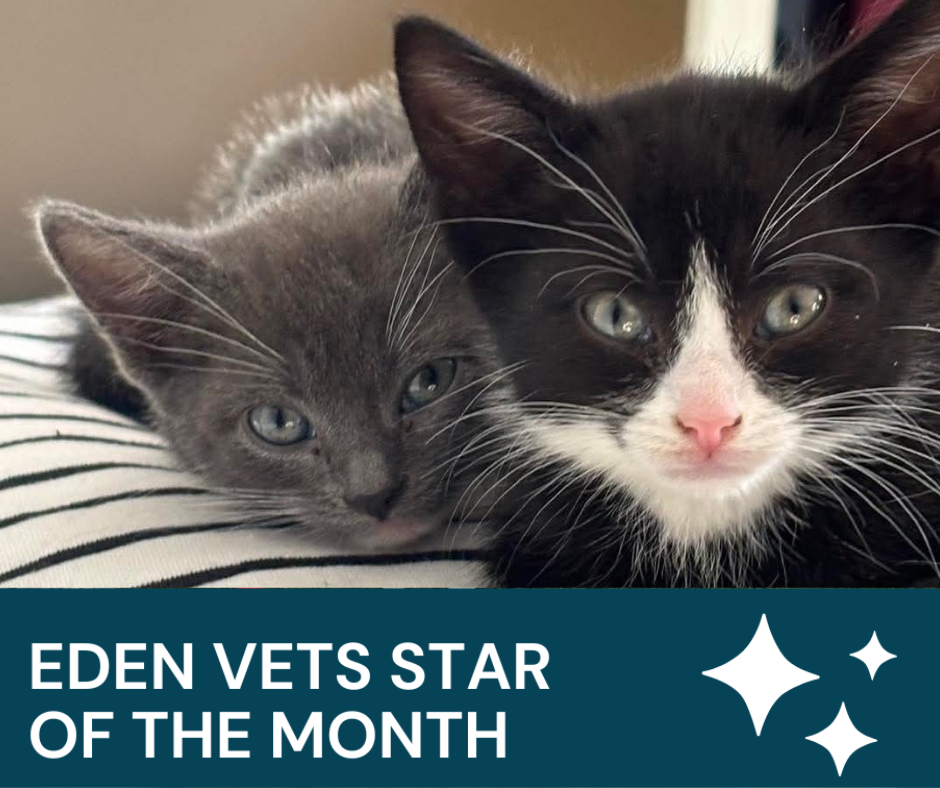
We have two star patients this month.
Penny and Olive are beautiful 3-month-old kittens who came to see vet, Jenny after their owner noticed some patches of scaly skin and hair loss.
Olive had started with the problem initially, but she had kindly shared it with her sister (and some of her family members!)
The patches of scaly skin and hair loss were mostly on the kitten’s faces and on Olive’s font leg and we were very suspicious of a fungal infection, commonly known as ringworm.
The kittens behaved beautifully for a few tests to help confirm our suspicions. We used a woods lamp – a handheld UV light, which is used to detect certain ringworm infections, particularly a species called Microsporum canis in pets. When present this appears as a bright apple-green fluorescence.
The kittens also allowed us to take some hair plucking’s from their affected skin. Our dermatology team, led by nurse James, have recently started growing these samples in our practice lab and within 6 days he had grown some lovely fungi. There is a special dye included in the culture plate which changes colour confirming the presence of the fungus.
Cats, and other pets, can become infected with ringworm either through direct contact with an infected animal, or by exposure to a contaminated environment or object (for example, bedding or brushes).
Spores stick to the skin, which is how a new infection starts. Intact healthy skin is quite resistant to infection, but any graze or break to the skin allows infection to develop more quickly. Ringworm is more commonly seen in younger animals (less than one year old), who may have poorer natural skin defences and less well-developed immune systems.
Ringworm is a zoonosis – can cause disease in humans too.
The kittens were started on oral and topical antifungal treatments, and their home environment was carefully cleaned.
We are very pleased to report Olive and Penny are co-operating well with their treatment plan and their skin is healing nicely!