Eden Vets March Newsletter
Poison Awareness Month: Protecting Your Pets from Hidden Dangers
Poison Awareness Month is the perfect time to highlight common household items that can pose serious risks to our pets. Many everyday foods and products are harmless to humans but potentially life-threatening to dogs and cats. Knowing what to look out for could save your pet’s life.
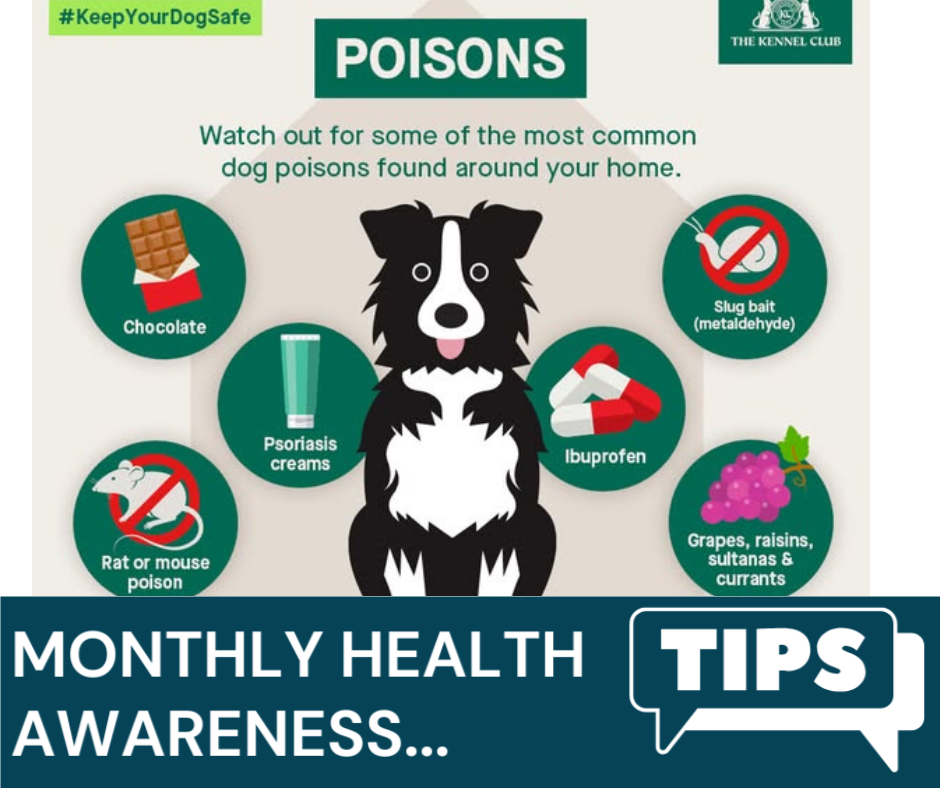
Most Common Pet Poisons for Dogs:
Dogs are naturally curious and often explore the world with their mouths. Some of the most common toxins affecting dogs include:
- Onions, garlic, leeks, and chives – These can damage red blood cells and lead to anaemia.
- Ethanol– Alcohol found in beverages, medications, perfume, mouthwash, some thermometers, and certain types of antifreeze can cause serious poisoning.
- Grapes and dried products – Raisins, sultanas, and currants can cause sudden kidney failure.
- Chocolate– Contains theobromine, which is toxic to dogs even in small amounts.
- Xylitol– A sweetener found in sugar-free gum and some foods; can cause a rapid drop in blood sugar and liver failure.
- Avocados– Contain persin, which may cause vomiting and diarrhoea.
- Tea and coffee – Caffeine can lead to restlessness, heart issues, and seizures.
- Macadamia nuts – Can cause weakness, tremors, and overheating.
Most Common Pet Poisons for Cats:
Cats are more selective eaters than dogs but are highly sensitive to certain toxins. Common risks include:
- Paracetamol – Extremely toxic to cats and can cause severe organ damage, even in small doses.
- Lilies – All parts of the plant are highly toxic and can cause kidney failure.
- Ethylene glycol – The active ingredient in antifreeze; even a small lick can be fatal.
- Spot-on flea treatments for dogs – Some dog-specific treatments contain permethrin, which is highly toxic to cats.
- Metaldehyde – Found in slug and snail pellets or baits; can cause tremors and seizures.
- Decorating materials – Paints, varnishes, preservatives, and household cleaners can be harmful if ingested or inhaled.
What To Do If You Suspect Poisoning
If you believe your pet has eaten or come into contact with something toxic:
1. Contact your veterinary practice immediately for advice.
2. Note the time of ingestion, how much was consumed, and exactly what the substance was.
3. Provide packaging or detailed information to your vet if possible.
Quick action can make all the difference. Never wait for symptoms to appear before seeking help.
Prevention Is Key
- Store food, medications, and household chemicals securely out of reach.
- Check ingredients before giving your pet new treats.
- Keep harmful plants and garden products away from curious paws.
This Poison Awareness Month, take a few minutes to pet-proof your home. A little prevention goes a long way in keeping your furry family members safe and healthy.
Meet a member of the Eden Vets team:
Jenny and Gemma Our First Opinions Vets
Gemma Ford
Gemma graduated from Liverpool University in 2005 and has worked in various small animal practices in the North West ever since. She enjoys both medicine and surgical cases.
Gemma had a sabbatical in India where she neutered over 400 dogs. She lived and moved around India and assisted with the ‘Mission Rabies’ programme for 6 months.
In her free time, she loves all things ‘outdoor’ with her partner and young daughter. A perfect day would include fell running, rock climbing, mountain biking, cold swimming and watching wildlife.
Jenny Herd
Jenny qualified from Liverpool University in 2004 and worked in mixed practice for the first 12 years of her career. Since returning from maternity leave, she has concentrated on small animal practice.
After 2 hectic years in a charity practice, she recently returned to private practice to allow more time for interests in Dermatology and Internal Medicine.
Out of work most of her time is spent trying to keep up with her young family. Any free moments are spent mountain biking, pottering in the garden with the help of Mabel, Jennys cat

Eden Vets highlight of the month…
First Aid for Pets – Client Evening
Wednesday 15th April @ 7pm
(limited to 30 spaces)
Due to the sold out event in February we have organised another date for our First Aid for Pets Client Evening. Don’t miss out book now.
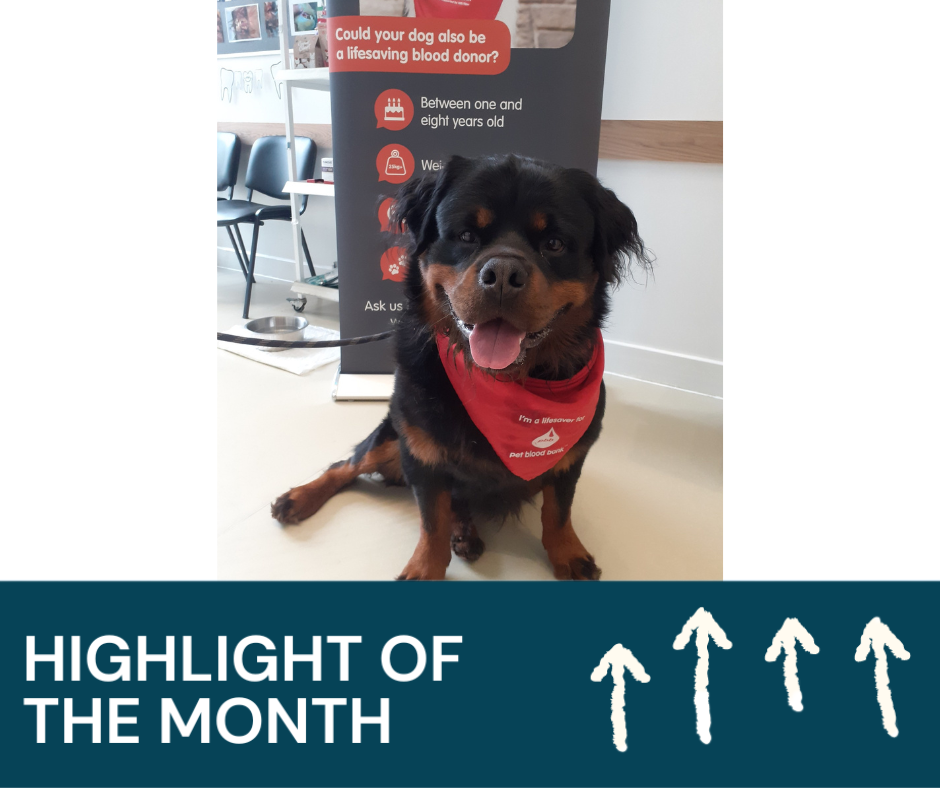
Pet Blood Bank Donation Clinic
The next date for our blood donation clinic is Sunday 26th April. For information, please call us on 01270 439289 and ask to speak to Jools, Or click below
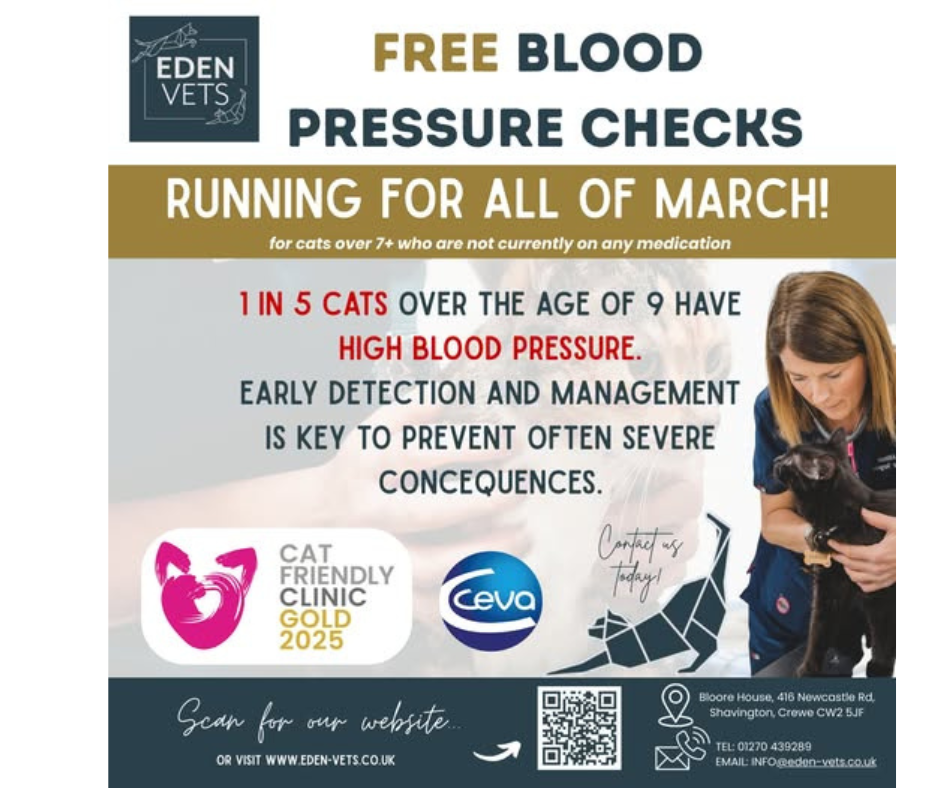
Free Blood Pressure Testing
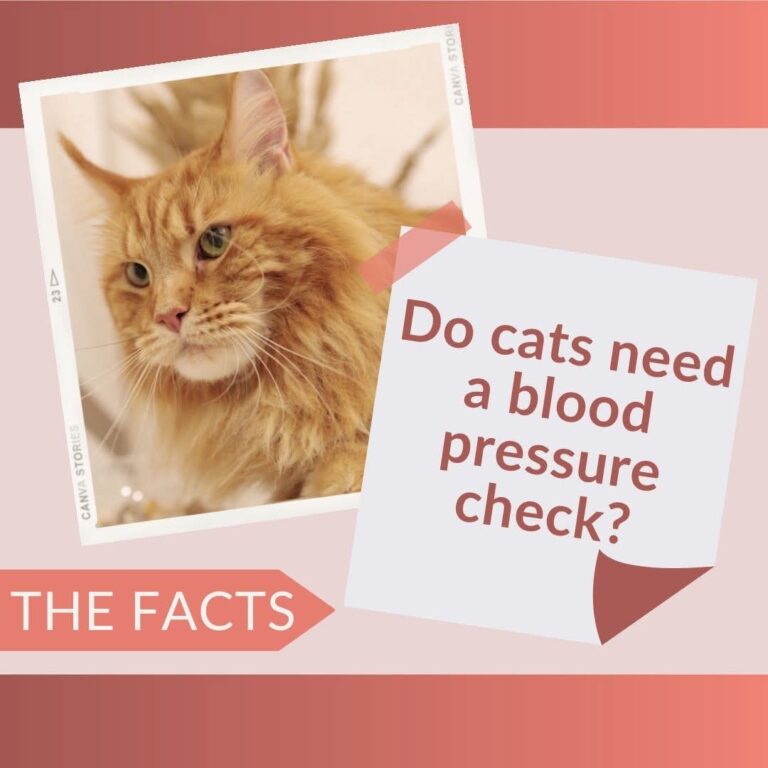
Throughout March we are offering, free blood pressure checks, for cats over the age of 7 years, who are not on any medication.
If you think your cat would benefit from one of these please book an appointment.
Take a peek behind the scenes at Eden Vets
Clinical Exam
As part of our clinical exam series this post talks about the normal checks we do when your pet comes to visit us. All of these are performed before vaccination or if your pet is unwell, we may do more or less depending on how recently they have been seen or what they are in for!
Listening to the chest
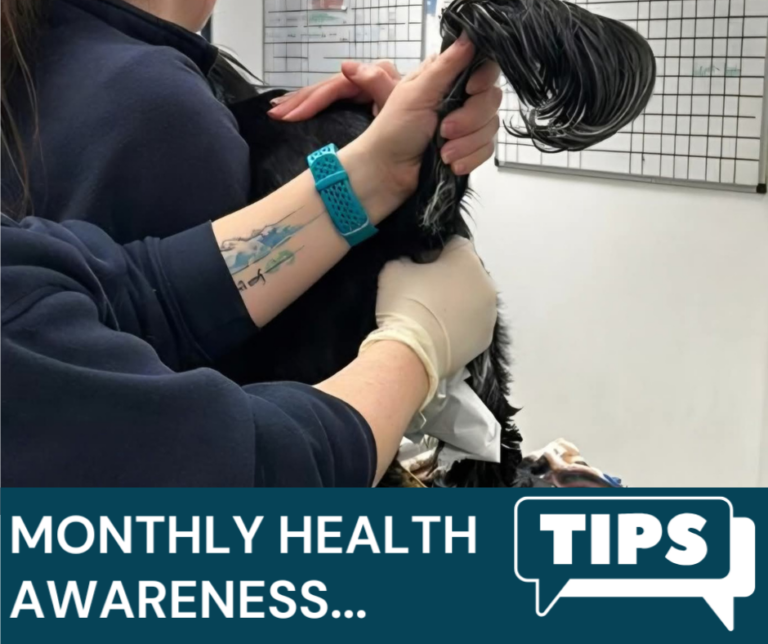
We listen to the chest of your pet to assess both the heart, the lungs and the upper airway. For the heart we listen on both sides of the chest and sometimes right underneath between the front legs. We try to feel for the pulse (in the inside groin or above the foot) at the same time to see if the pulse and heart beats match.
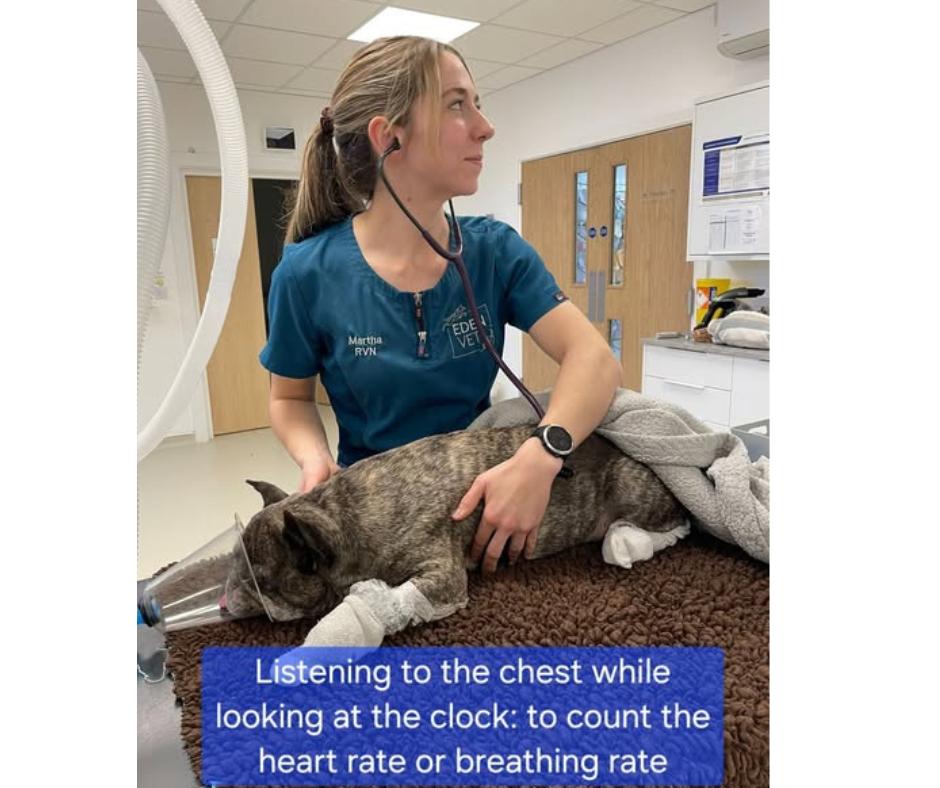
We listen to the rate and rhythm of the heartbeat: some rhythms are normal, and some indicate an abnormality. We also listen for heart murmurs; a shhhhing noise instead of the simple lub-dub if a normal heartbeat, indicating a leakage of blood flow in the wrong direction. Where the murmur is loudest across the chest, when it is timed around the normal lub-dub and how loud it is are all important details to capture to help further diagnose if there is a problem and where it is.
For the lungs we listen over the whole chest on both sides, and for the upper airway we listen to the underside of the neck. This allows us to check for changes in breathing noise and effort, listen for evidence of fluid and for absences of normal noises, which might indicate fluid in the chest or solid tissue like a mass, or lung tissue that will not inflate. We may squeeze the underside of the neck gently to see if a cough is triggered. This is called a Tracheal pinch test and is useful to see if the windpipe is inflamed (tracheitis).
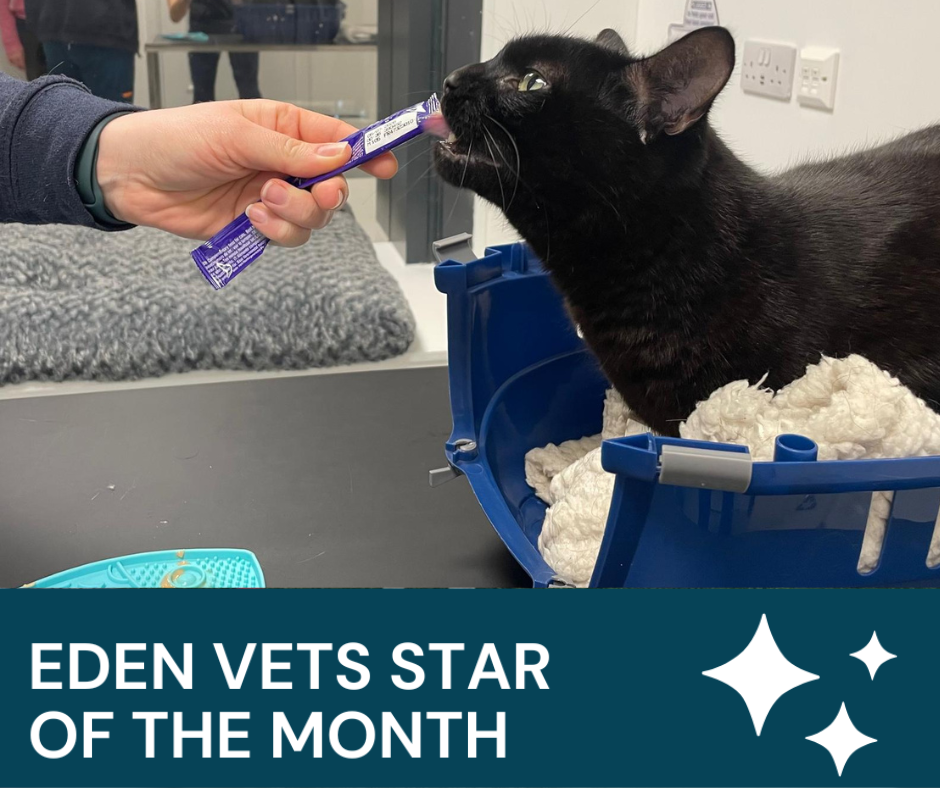
Eden Vets Star Patient of the Month…
This Months star patient is the lovely Buddy, who came to see Vet Laura after he started having seizures on a regular basis. Just like humans, animals can also have seizures which can be very distressing to see.
He underwent investigations including a full examination, blood tests and an MRI scan of his brain. Fortunately, Buddy’s brain scan was normal, and so was diagnosed with epilepsy and started on anti-seizure medication which should improve his quality of life by reducing the frequency of his seizures. Throughout his visits, Buddy has been a very brave and friendly boy.